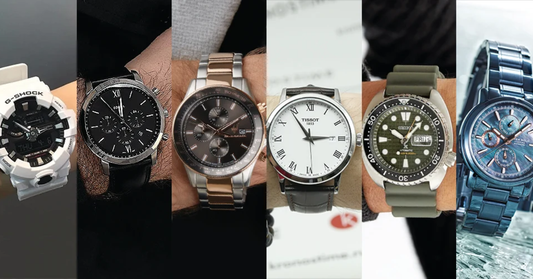

Top Vintage Seiko Watches You Must Know About
Some watches simply tell time. Others carry stories that last for decades. Seiko built its reputation on precision, durability, and honest design. These days, many collectors are looking for timeless pieces that helped to create the culture of modern watches. There is so much in the world of Vintage Seiko Watches to love! Each is representative of a time when watchmaking was all about function and lasting quality.
This guide covers standout models that shaped Seiko’s legacy. You will also learn how to spot authentic pieces. You will get simple care tips that protect your buy.
Why Vintage Seiko Watches Still Matter
Seiko built watches for real life, not display cases. The brand focused on clear dials and sturdy cases. Many models used strong movements that handle daily wear. Owners often pass them down because they keep running. Collectors also love Seiko’s design range. Seiko made divers, dress watches, and tool watches with equal care. The brand tried new ideas early and often. That spirit still shows in older models.
The market stays active because supply is limited. Clean examples get harder to find each year. Many buyers start with vintage Seiko watches because prices can stay reasonable. They still get a piece of watch history.
Seiko 62MAS: The First Diver Classic
Seiko released the 62MAS in 1965. It became Seiko’s first serious dive watch. The case design feels simple and purposeful. The dial stays easy to read at a glance. Collectors value the 62MAS for its place in Seiko history. It started a long line of dive watches that followed. Many later Seiko divers borrowed its layout and proportions.
When you shop for one, check the dial printing closely. Look for matching hands and correct bezel style. Service parts exist, yet original parts protect value.
Seiko Turtle: A Fan Favorite Diver
The Turtle earned its nickname from a rounded cushion case. That shape sits well and feels balanced. The watch offered strong water resistance for its era. Many owners wore it as a daily tool. The Turtle also helped make automatic divers more popular. It feels tough without being bulky. Its bold markers help in low light. Many versions came with practical day and date windows.
Many collectors praise early Turtle models as vintage Seiko automatic watches with real purpose. Find one with a clean dial and sharp case edges. Heavy polishing can soften its original lines.
Seiko 6139: The Iconic Chronograph
Seiko 6139 stands among the most important chronographs. It offered automatic timing in a compact, sporty case. Seiko pushed boundaries by making it widely available. That decision changed what buyers expected from a chronograph. The 6139 is famous for its link to space travel. Astronaut William Pogue wore one during a mission. That story boosted collector interest for decades.
Many fans treat the 6139 as one of the truly rare Seiko watches worth chasing. Condition matters more than hype. Seek an original dial and correct bezel markings.
Seiko King Seiko: Precision and Prestige
King Seiko models aimed for high accuracy and refined finishing. Seiko built them to compete with luxury rivals. Cases often show crisp angles and polished surfaces. Dials usually look clean and formal. These watches work well for dress wear. They also suit casual outfits because they feel understated. Many models use sturdy movements that serve well today.
Collectors often group King Seiko among Seiko collector watches because of build quality. When buying, confirm the reference number and movement match. A complete set can raise long-term value.

Seiko Bell-Matic: Mechanical Alarm Innovation
The Bell-Matic added a mechanical alarm to a standard wristwatch. You could set a reminder without any digital help. The watch rings using an internal hammer system. The sound is clear and surprisingly strong. Seiko sold many Bell-Matic models in the late 1960s and 1970s. Office workers liked the alarm for meetings. Travelers used it for wake-ups and time changes.
Bell-Matic pieces stand out among classic Seiko watches because they feel playful and useful. Check the alarm works during inspection. Parts can be harder to replace than basic components.
How to Identify Authentic Vintage Seiko Watches
Start with the case back. Seiko used model codes and serial numbers that help date production. The serial usually reveals the year and month. Reference codes identify the line and movement. Inspect the dial under good light. Fonts should look sharp and consistent. Lume plots should match in color and placement. A dial that looks too new may be a repaint. Check the hands and crown for the correct shape. Many watches get replacement hands during service. That can change the look and value. Ask for movement photos if you buy online.
Use trusted communities for cross-checks. Collector forums can confirm small details fast. Buy from sellers who allow returns when possible. If you buy for value, buy what you will wear. That mindset reduces regret. The market for vintage Seiko watches rewards patience and research.
Final Thoughts
Seiko earned its place through tough design and bold ideas. Its older models still offer real joy on the wrist. Each piece carries a small snapshot of its era.
If you choose carefully, you get history you can wear. You also get a watch built for daily life. That is the lasting pull of vintage Seiko watches.
FAQs
1. What makes vintage Seiko models worth collecting?
Strong build quality, distinctive designs, and actual watchmaking history for fair money.
2. How do I date a Seiko watch from its serial number?
The first number is the year within the decade. The second digit shows the month.
3. Should I avoid watches with replacement parts?
Not always. Replacements can reduce value, yet a well-serviced watch can still be a great buy.
4. What is the safest way to buy vintage Seiko online?
Use trusted sellers, request clear photos, verify codes, and choose listings with return options.
Tags:
Previous
Why G Shock Watches Are the Ultimate Choice for Men
Next
Tissot Gentleman Watches — The Perfect Blend of Tradition and Innovation
Related articles


The G-SHOCK That Learned to Travel Light
Sep 21 2026

Top 10 Best Affordable Watches
Aug 31 2026
Best Movado Watches for Men Under $1,000
Aug 20 2026